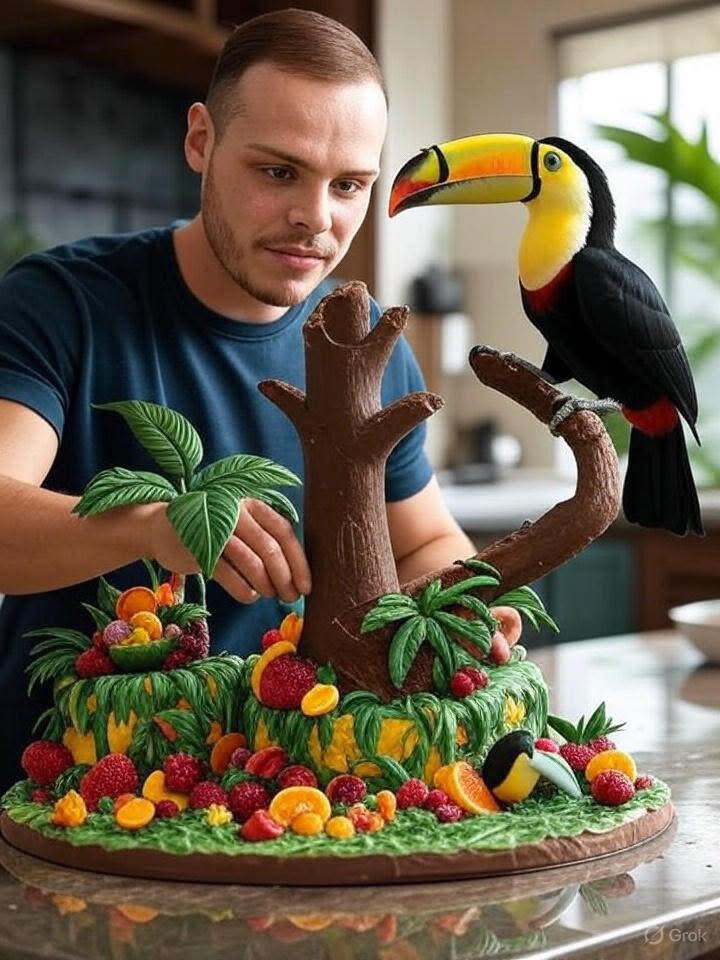
Chocolate Sculpture: When Sweetness Becomes Art
Chocolate has always been a universal symbol of indulgence, but in the hands of skilled artists, it transforms into something far beyond dessert. Chocolate sculpture is the art of shaping, carving, and molding chocolate into breathtaking masterpieces that delight the eyes as much as the taste buds. From elegant showpieces in luxury hotels to towering creations in international competitions, chocolate sculpture proves that food can be fine art.
The Beauty of Chocolate as a Medium
Unlike marble or clay, chocolate offers both challenges and advantages as a sculpting material. When tempered correctly, it has strength, shine, and a smooth texture. It can be poured into molds, carved into intricate shapes, or layered into grand structures. Yet it remains fragile—sensitive to heat, humidity, and time—which makes every finished piece even more remarkable.
Styles of Chocolate Sculpture
Chocolate artists use different techniques to bring imagination to life:
- Realistic Figures – Life-sized animals, human busts, or detailed objects made entirely of chocolate.
- Fantasy Creations – Dragons, castles, or mythological creatures that blend culinary skill with fantasy art.
- Architectural Marvels – Chocolate bridges, towers, or entire cityscapes crafted with precision.
- Event Showpieces – Decorative centerpieces for weddings, festivals, or competitions, often adorned with edible gold, sugar flowers, and airbrushed details.
The Craft Behind the Creation
Building a chocolate sculpture is both artistic and scientific. Chocolatiers first temper the chocolate—a delicate process of heating and cooling that ensures strength and shine. Then, using molds, carving tools, or even chainsaws for large works, they shape the chocolate into form. Edible paints, powdered colors, and sugar details give the finishing touches, turning chocolate into a canvas for imagination.
Why Chocolate Sculptures Captivate Us
Part of the fascination lies in the impermanence of chocolate sculptures. Unlike stone statues or bronze monuments, these creations won’t last forever. They may melt, crumble, or be eaten. Their temporary nature makes them feel rare and magical, like seeing art that is alive only for a moment.
Conclusion
Chocolate sculpture is where culinary mastery meets fine artistry. It reminds us that food can be more than nourishment—it can be a medium for storytelling, imagination, and wonder. Whether it’s a grand dragon at a festival or a delicate rose centerpiece at a wedding, chocolate sculptures prove that beauty can be sweet—and sweetness can be art.


