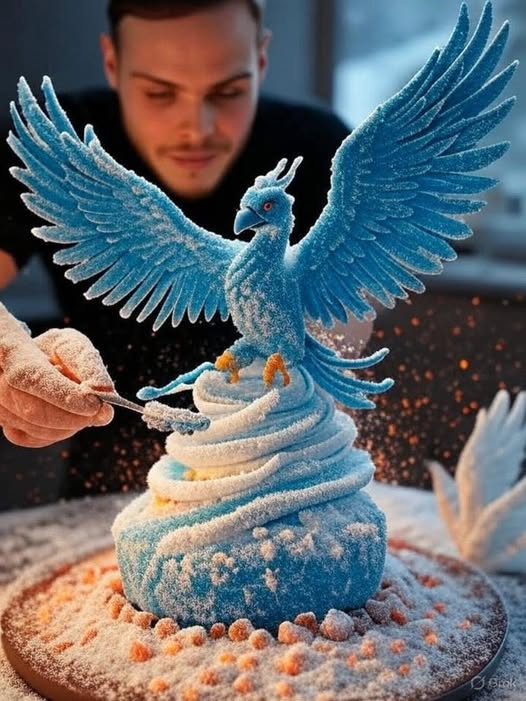
The Art of Chocolate Creation: From Bean to Bar
Chocolate is more than just a sweet treat—it’s a craft, a science, and an art form that has delighted people for centuries. Behind every silky bar or decadent truffle lies a fascinating process known as chocolate creation. From the tropical cocoa farms to the hands of skilled chocolatiers, each step is carefully designed to preserve flavor, texture, and aroma.
1. Harvesting the Cocoa Pod
Chocolate begins with the Theobroma cacao tree, whose name means “food of the gods.” These trees thrive in warm, humid regions near the equator. Farmers hand-harvest the pods, which contain 20–50 cocoa beans each, surrounded by a sweet, pulpy fruit.
2. Fermentation and Drying
Fresh beans don’t taste like chocolate at all. To develop flavor, they must ferment for about 5–7 days, often under banana leaves. During fermentation, natural yeasts and bacteria transform the beans, deepening their aroma. Afterward, the beans are dried under the sun, locking in those complex flavors.
3. Roasting: Unlocking the Aroma
Once dried, cocoa beans are roasted. This step is much like coffee roasting—it enhances the richness, smokiness, or nuttiness of the final chocolate. Each chocolate maker adjusts roasting time and temperature to create their signature taste.
4. Cracking and Winnowing
After roasting, the beans are cracked open to separate the edible “nibs” from the brittle shells. These nibs are the pure essence of chocolate and form the base of all chocolate products.
5. Grinding and Refining
The nibs are ground into a thick, liquid paste known as cocoa liquor. This stage produces both cocoa solids and cocoa butter. Sugar, milk powder (for milk chocolate), and sometimes vanilla are added, then refined until the texture is smooth and creamy.
6. Conching: The Secret to Silkiness
In the conching process, the chocolate mixture is kneaded for hours—or even days—while being gently heated. This eliminates bitterness, smooths out rough textures, and develops a melt-in-your-mouth feel.
7. Tempering: The Shine and Snap
To create glossy, perfectly crisp chocolate, the mixture is tempered. This involves carefully cooling and reheating the chocolate so that cocoa butter crystals align properly. Without tempering, chocolate would look dull and crumble easily.
8. Molding and Finishing
Finally, the tempered chocolate is poured into molds—whether as bars, pralines, or decorative shapes. Once set, chocolatiers may add fillings, drizzles, or artistic designs, making each creation unique.
Conclusion
Chocolate creation is a journey of transformation—from humble cocoa beans into a luxurious indulgence. Every step, from fermentation to tempering, is essential to unlocking the magic we associate with chocolate. Whether enjoyed in a simple bar or as part of an elaborate dessert, chocolate remains one of humanity’s sweetest achievements.


