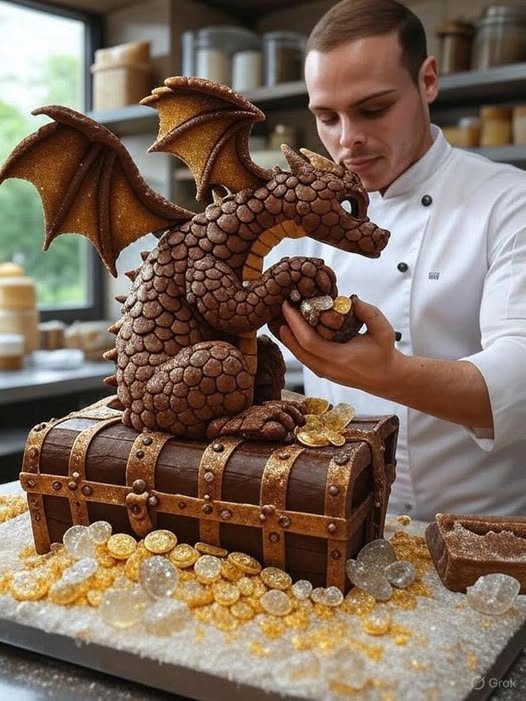
The Dragon Art Recipe: Crafting Myth and Magic on Canvas
Dragons have fascinated human imagination for centuries—soaring through legends as symbols of strength, wisdom, and fire. Artists across cultures have long tried to capture their awe-inspiring presence, giving rise to what many call the “Dragon Art Recipe.” While it’s not a literal recipe, this term refers to the creative blend of elements an artist uses to bring dragons vividly to life, whether in painting, digital art, or sculpture.
1. The Base Ingredient: Imagination
Every dragon begins in the mind. Artists draw inspiration from myths across the world—Chinese dragons representing luck and prosperity, European dragons embodying danger and conquest, or modern fantasy dragons breathing fire in epic battles. The recipe starts with choosing what kind of dragon you want to create: majestic, terrifying, or mysterious.
2. The Structure: Anatomy of Power
The body of a dragon is where art meets science. Some artists base their designs on real-world creatures—serpents for elegance, bats for wings, lions for strength, or reptiles for scales. Sketching skeletal outlines helps build believable proportions before layering on details. This structural foundation is like the “flour” of the recipe—it holds everything together.
3. The Flavor: Texture and Detail
Scales, horns, wings, and fire are the spices that give dragon art its intensity. Scales can shimmer like gemstones or roughen like volcanic rock. Horns may twist like roots, while wings can resemble bat membranes or angelic feathers. The level of detail determines the dragon’s personality: intricate textures suggest wisdom and age, while sleek, minimal designs suggest youth and speed.
4. The Atmosphere: Colors and Setting
No recipe is complete without color. Artists often use fiery reds, molten golds, and smoky blacks to highlight danger, while blues, silvers, and greens bring out mystical or benevolent qualities. The background—mountains, castles, or stormy skies—sets the stage, much like plating a meal enhances its presentation.
5. The Final Touch: Emotion and Story
Great dragon art doesn’t just show a creature—it tells a story. Is the dragon protecting treasure? Guarding a sacred temple? Bonded with a rider? The narrative breathes life into the image, making it more than decoration.
Conclusion
The “Dragon Art Recipe” is a blend of imagination, structure, detail, color, and story. Much like cooking, it allows endless variations—no two dragons need look the same. With each stroke of a brush or click of a digital pen, artists continue to reinvent the dragon, keeping this mythical beast alive in human culture.


